
Dubon Fencing & Polished Concrete: Epoxy Basement Floor Contractors Serving Chesterfield County
Moisture-Resistant Epoxy Basement Floors for Virginia Homes.
Built for Virginia’s Climate
Transparent Pricing
Licensed & Insured
15+ years of experience
What Is Epoxy Flooring and Why Is It Used on Basement Floors?
Epoxy flooring is a two-part coating system made from resin and a hardener. When combined, the materials cure into a rigid layer that bonds directly to concrete. Unlike paint, epoxy forms a thick protective coating that becomes part of the floor surface.
Because of this strong bond, epoxy is widely used in environments where concrete needs protection from wear, moisture, and chemical exposure. Common applications include:
- Warehouses
- Commercial kitchens
- Garages and workshops
- Residential basements
In basement environments, epoxy floors help solve several common problems:
- Moisture exposure from below-grade concrete slabs
- Surface dusting caused by aging concrete
- Stains from storage, equipment, or spills
- Uneven or worn concrete surfaces
Once installed, epoxy creates a sealed surface that is easier to clean and far more durable than bare concrete.
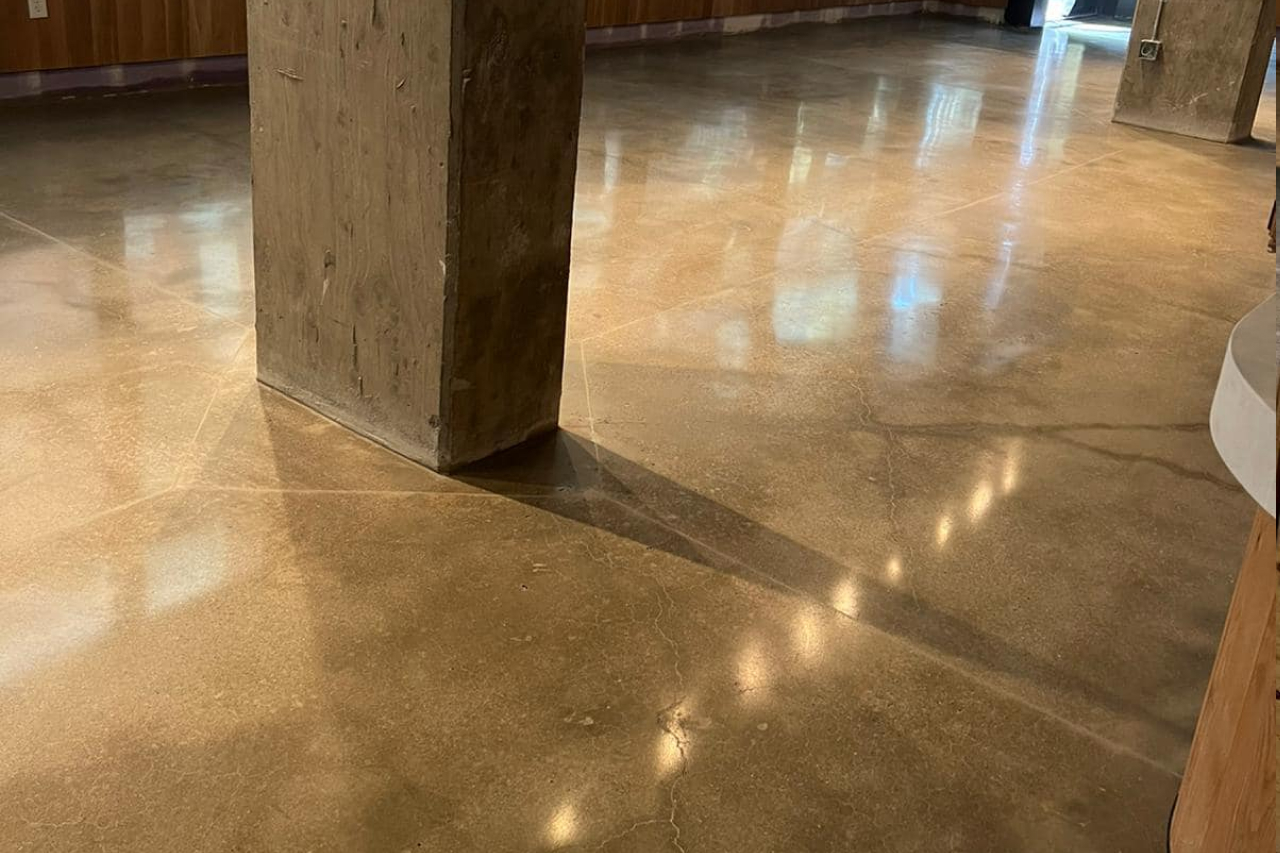
Engineered for Virginia Basements: Why Surface Preparation Matters
Concrete may look solid, but it is naturally porous. Moisture vapor can travel through the slab, especially in basement environments. Because of this, epoxy coatings depend heavily on proper surface preparation so the coating can bond correctly.
At Dubon Fencing & Polished Concrete, basement slabs are prepared using commercial grinding equipment and proven installation methods. Typical preparation steps include:
- Moisture testing to evaluate vapor transmission in basement slabs
- Diamond grinding to open the concrete pores and create a bonding profile
- Removal of old coatings or sealers that prevent adhesion
- Crack repair and minor leveling to stabilize the substrate
- Deep cleaning of the slab to remove dust, oils, and debris
When preparation is done correctly, the floor resists peeling, handles basement humidity better, and lasts significantly longer.
High-Performance Epoxy Basement Floors for Chesterfield County Homes
Epoxy flooring systems are designed to transform ordinary concrete into a sealed, durable surface. Once installed, the coating forms a protective layer that resists:
- Surface wear
- Moisture intrusion
- Chemical staining
- Concrete dusting
- Minor cracking
Homeowners often notice the space feels brighter, too. Epoxy floors reflect light better than bare concrete, which can make basements feel more open and comfortable. Typical basement applications include:
- Finished living spaces
- Home gyms
- Laundry rooms
- Storage areas
- Workshops
- Mechanical rooms
Why Choose Dubon for Your Epoxy Garage Floor?
When you choose Dubon Fencing & Polished Concrete, you’re not hiring a subcontractor or a national franchise. You’re partnering with a local, family-owned business that has built its reputation on craftsmanship and treating customers right. We’ve completed over 500 fencing and concrete projects in the Richmond area, and our 5-star Google rating reflects our commitment to quality. We provide 15+ years of local experience, so we know what works in Virginia’s climate. Our owner-on-site guarantee means the owner personally oversees every project for quality and accountability. You can expect transparent, upfront pricing with no surprises. We use industrial-grade materials, not water-based kits from a box store. We stand behind our work with a comprehensive warranty on both materials and labor, and our crew maintains a clean and professional jobsite from start to finish.
WHY CHOOSE US
Where Epoxy Basement Floors Work Best
One of the advantages of epoxy coatings is their versatility. They perform well in both residential and commercial environments.
Residential Basements
Homeowners commonly install epoxy floors in:
- Finished basements
- Storage rooms
- Home gyms
- Hobby workshops
- Laundry areas
The sealed surface makes these spaces easier to clean and maintain.
Commercial & Multi-Family Buildings
Epoxy coatings are also used in:
- Apartment building basements
- Maintenance rooms
- Equipment rooms
- Commercial storage spaces
- Mechanical areas
These environments benefit from epoxy’s durability and chemical resistance.
Epoxy Flooring vs. Stained Concrete vs. Polished Concrete
The right option depends on how the floor will be used, the level of durability needed, and the type of finish you want. Below is a quick comparison to help clarify the differences.
| Feature | Epoxy Flooring | Stained Concrete | Polished Concrete |
|---|---|---|---|
| Appearance | Smooth, seamless coating available in solid colors or decorative flake systems. Creates a uniform, modern floor surface. | Produces natural color variations that resemble stone or marble. Each floor develops a unique pattern. | Sleek, reflective finish that highlights the natural texture of the concrete slab. |
| Best Uses | Garages, basements, workshops, utility rooms, and commercial spaces where durability matters. | Patios, interior living areas, and decorative spaces where color and character are priorities. | Modern interiors, retail stores, showrooms, and commercial spaces seeking a minimalist industrial look. |
| Durability | Highly durable coating system resistant to chemicals, abrasion, and heavy use. Ideal for high-traffic environments. | Durable when sealed, but better suited for moderate residential traffic. | Extremely durable surface created by mechanically grinding and polishing the concrete slab. |
| Maintenance | Very low maintenance. The sealed surface resists stains and spills and cleans easily. | Requires occasional resealing to maintain color and protection. | Minimal maintenance—regular cleaning keeps the polished finish intact. |
| Slip Resistance | Texture additives or decorative flakes can improve traction when needed. | Anti-slip additives may be added to sealers for outdoor or wet areas. | Smooth finish; anti-slip treatments can be applied if necessary. |
| Design Options | Wide color range with decorative flake systems and textured finishes. | Layered color effects with earthy tones and natural patterns. | Limited color variation—focus remains on shine and aggregate exposure. |
| Installation Time | Typically installed over 1–2 days depending on preparation and curing. | Usually 1–3 days depending on the staining process and sealing. | Multi-step grinding and polishing process that may take several days. |
| Cost Range | Moderate to high depending on coating thickness and system type. | Moderate cost compared to other decorative concrete finishes. | Moderate to high depending on polishing level and surface condition. |

Durability and Lifespan of Epoxy Basement Floors
Epoxy flooring is built for durability. When properly installed, it forms a protective layer that bonds directly with the concrete slab.
In residential basements, epoxy floors often last 10–20 years or longer with normal use.
In commercial basements or utility spaces, lifespan may range from 5–10+ years, depending on traffic, equipment, and maintenance.
Several factors affect longevity:
- Surface preparation – Grinding and cleaning ensure strong adhesion.
- Concrete condition – Stable slabs support longer-lasting coatings.
- Moisture levels – Vapor mitigation may be needed for basement slabs.
- Coating thickness – Multi-layer systems improve durability.
- Traffic levels – Equipment movement and heavy use increase wear.
Epoxy coatings also resist abrasion, stains, oil, and moisture. That makes them a reliable choice for both residential and commercial basement environments.
What Affects the Cost of Epoxy Basement Floors?
Every basement floor is different, which means pricing depends on several factors.
Common cost considerations include:
- Square footage of the basement
- Condition of the concrete slab
- Amount of surface preparation required
- Crack repairs
- Moisture mitigation systems
- Decorative flake finishes
While DIY coatings are widely available, professional epoxy systems last significantly longer because they include proper preparation and commercial-grade materials.
How to Maintain Epoxy Basement Flooring
Most basement epoxy floors stay in good condition with simple routine care. Basic maintenance includes:
- Regular sweeping or dust mopping to remove dirt and debris
- Occasional damp mopping using mild soap and water
- Cleaning spills quickly, especially oils or chemicals
- Using soft cleaning tools to avoid scratching the coating
- Avoiding harsh acidic cleaners that may dull the finish over time
For commercial basements or utility spaces, more frequent cleaning may be needed due to higher traffic.
With proper care, epoxy flooring maintains its durability and appearance for many years while continuing to protect the concrete slab beneath.
Have questions about epoxy flooring care?
Technical Specifications of Our Epoxy Flooring Systems
Professional epoxy flooring systems are engineered products. Several technical factors influence their performance.
Typical components include:
- Epoxy resin coatings designed for concrete substrates
- Polyaspartic or urethane topcoats for durability
- Decorative flake broadcast systems
- Moisture-mitigation primers
Performance characteristics may include:
- High abrasion resistance
- Chemical resistance
- Slip-resistant textures
- VOC-compliant coating materials
Concrete condition also plays a role. A properly prepared slab provides the mechanical profile required for strong adhesion.
Why Local Experience Matters
Epoxy flooring is a system that depends on proper installation.
In Central Virginia, soil conditions, humidity levels, and seasonal temperature changes all affect how concrete slabs behave. Moisture vapor moving through basement floors is especially common in the Richmond and Chesterfield County area.
Because Dubon Fencing & Polished Concrete works throughout the metro region, we understand these local conditions and how to prepare concrete slabs for long-term epoxy performance.
The preparation isn’t always visible once the floor is finished. But it’s what keeps the coating bonded and performing years down the line.
Our 3-Step Epoxy Basement Floor Installation Process
Step 1. Consultation, Estimate & Planning
We inspect the basement slab, test for moisture, measure the floor area, and discuss finish options. You receive a clear estimate and project schedule before installation begins.
Step 2. Surface Preparation & Epoxy Application
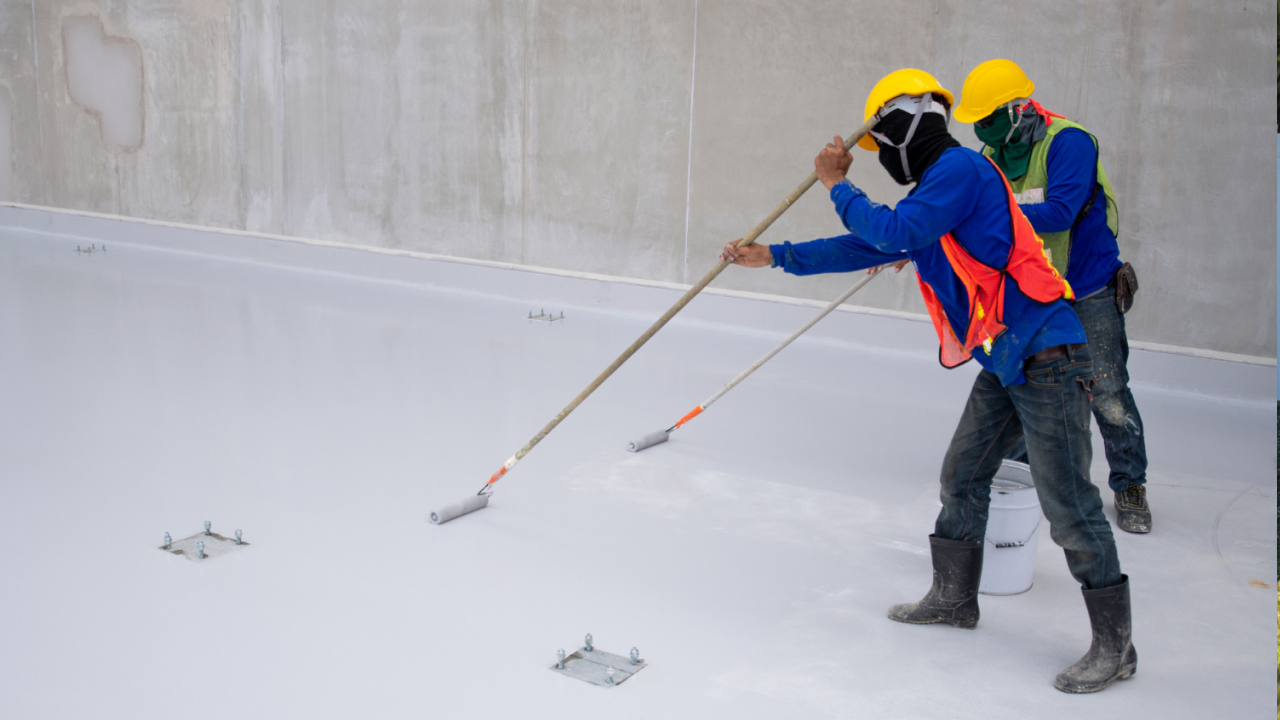
The concrete is diamond-ground, repaired if needed, and cleaned. We then apply the epoxy base coat, optional decorative flakes, and a protective topcoat to create a durable, seamless floor.
Step 3. Final Walkthrough & Warranty
After curing, we inspect the finished floor with you, review maintenance guidelines, and provide warranty information so you know how to keep the coating performing long-term.
Serving Chester, Chesterfield County & the Richmond Area
We provide epoxy flooring services throughout:
- Chester
- Chesterfield County
- Midlothian
- Mechanicsville
- Glen Allen
- Short Pump
- Surrounding Central Virginia communities
If you’re unsure whether your property falls within our service area, just ask.
Frequently Asked Questions About Epoxy Basement Floors
Yes. Epoxy flooring works well in basements because it creates a sealed, moisture-resistant surface over the concrete slab. Many homeowners in Chester and nearby Richmond suburbs choose epoxy for storage areas, finished basements, and home gyms because it resists dust, stains, and everyday wear.
Epoxy coatings can resist normal moisture exposure when the slab is properly prepared. Before installation, contractors test the concrete for vapor transmission. If needed, moisture-mitigation primers or vapor barriers are installed. This is especially important in Chesterfield County, where humid summers can increase moisture movement through basement slabs.
Most epoxy basement floor installations take one to three days, depending on slab condition and preparation requirements. The process typically includes surface grinding, crack repair, epoxy coating application, and curing time. Larger basements or floors requiring moisture mitigation may take slightly longer.
Epoxy floors can be customized with slip-resistant textures or decorative flake systems that improve traction. This is common for basement stairs, laundry rooms, and workshop areas. When installed correctly, epoxy coatings provide a durable surface that balances smooth appearance with safe footing.
Upgrade Your Basement with Durable Epoxy Flooring
If your basement floor is dusty, stained, or covered with peeling paint, epoxy can completely transform the space, we’d be happy to help you explore the possibilities.
A professionally installed epoxy basement floor typically lasts 10–20 years or more in residential settings. Longevity depends on surface preparation, moisture control, and traffic levels. In Chesterfield County homes, proper slab preparation and vapor testing help epoxy coatings stay bonded despite Virginia’s humidity and seasonal temperature changes.