
In humid climate, the timing of your fence staining matters just as much as the product you use. A week of rain followed by heavy sun can dry out boards unevenly, leaving stains blotchy or faded before they’ve had time to seal. Wait too long, and UV rays and moisture will damage the wood before protection sets in.
Virginia’s unpredictable mix of humidity, storms, and clay soil means wood fences need careful attention. The best results come from choosing a dry, mild-weather window and using high-quality, moisture-resistant stains built for the region’s climate.
This guide breaks down when to stain, which products work best, and how to maintain your finish through the area’s changing seasons. For lasting results, consider working with Richmond fence staining professionals who know exactly how to protect wood against the city’s toughest weather cycles.
Why Timing Matters in Richmond’s Climate
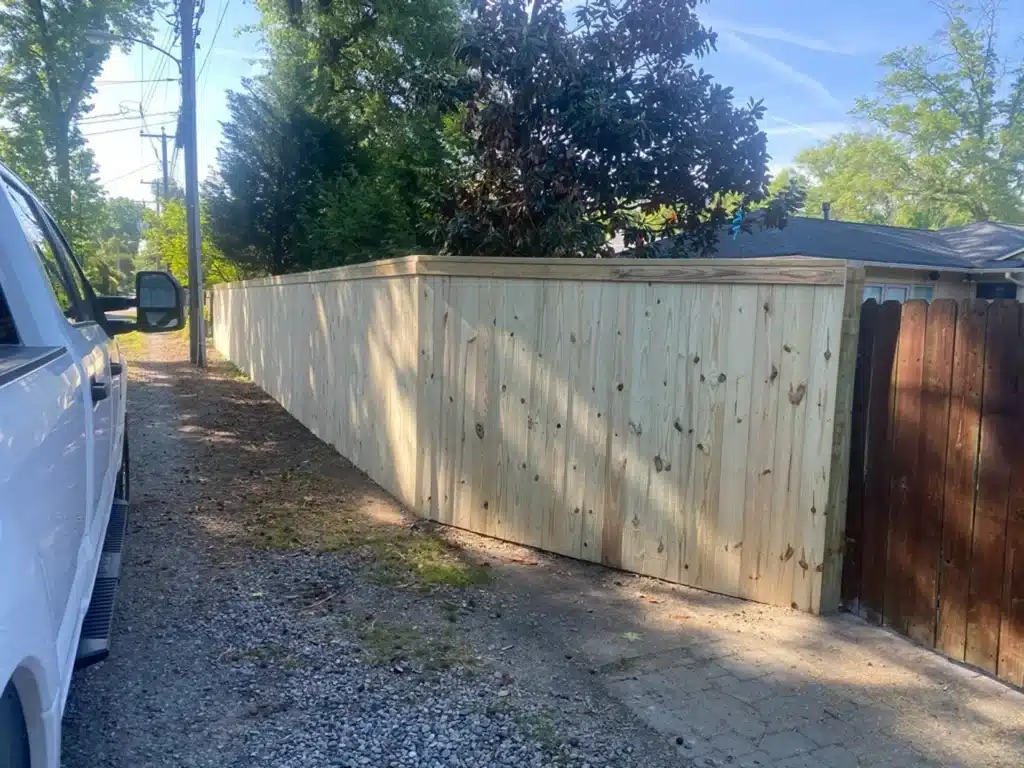
Humidity and wood have a complicated relationship. The more moisture the air holds, the more your fence soaks up and that changes how stain behaves. With its 70-plus-percent summer humidity and those quick-burning UV cycles, timing can make or break a finish.
Too early, and stain traps water, causing peeling or blotching. Too late, gray, sun-damaged fibers appear. A precise window gives deep, even color that withstands storms.
Drive past Banton Street Pentecostal Church after a week of summer rain, and you’ll notice how even the old fences seem to glisten darker — that’s moisture at work. It’s the same pattern your own fence faces, just on repeat all year.
The Right Moment to Stain After Installation
Pressure-treated lumber in Virginia doesn’t dry as fast as the label says. In our climate, it needs four to eight weeks — sometimes more — before it’s ready for stain. Cedar and redwood dry faster, but they’re not immune to heavy air.
You’ll know the wood’s ready when a few drops of water sink right in instead of beading on the surface. That’s the “sprinkle test.” Skip that check, and your stain sits on top like a coat of paint — pretty for a month, peeling by the second rain.
For anyone using pressure-treated wood, it helps to understand how preservatives behave. NPIC’s treated wood overview explains why some boards resist stain longer and how moisture still moves through the grain. That’s the chemistry behind every perfect finish and every failure.
Best Seasons to Stain or Reseal in Richmond
If you’ve lived in this neighborhood long enough, you can feel when the air’s right. Spring mornings that start cool and clear. Fall afternoons that stay dry for days. Those are your sweet spots.
Early fall is often the safest bet because humidity dips, but the nights haven’t turned cold enough to slow curing. Late spring can work, too, as long as the forecast stays dry for at least 48 hours.
Avoid July and August unless you love frustration. The combination of 90-degree heat and sticky humidity makes the stain dry unevenly and sometimes not at all. Mid-winter? Too cold for proper bonding.
People around Marybrooks Ln and Angus Rd know that microclimates matter. Shaded properties dry slower, while fences in open yards or near pavement absorb and release moisture faster. Always time your work around your yard, not the calendar.
Product Recommendations That Survive Humidity & UV
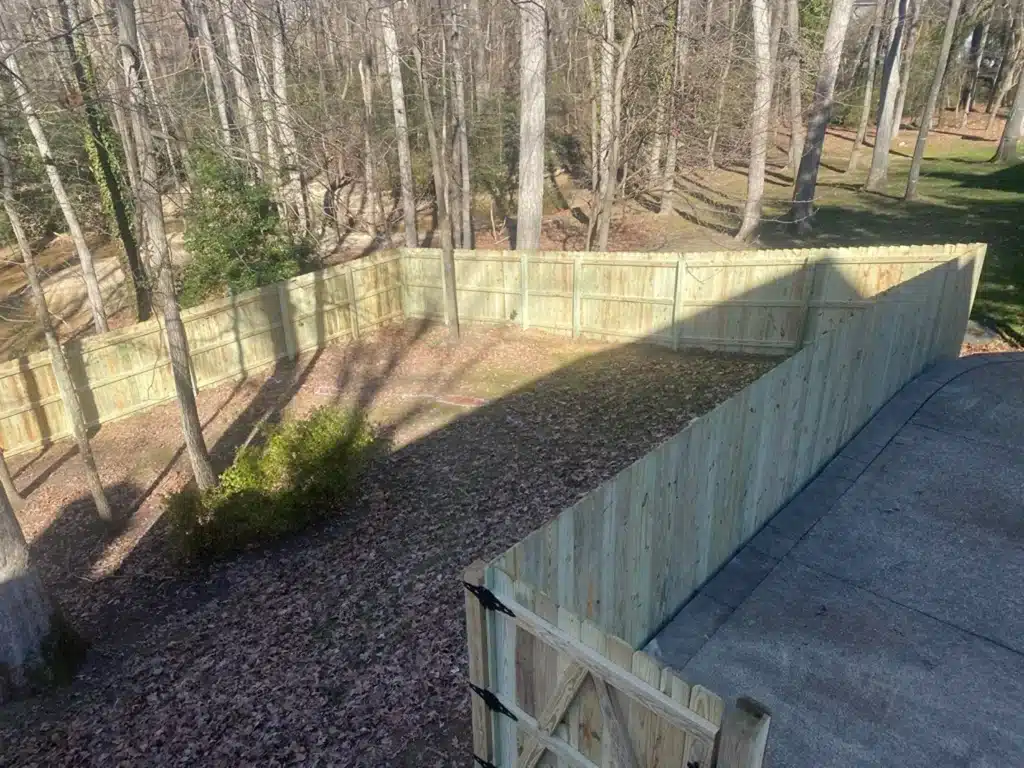
Weather plays rough, so pick products that can handle it.
- Oil-based stains like TWP 100 Series or Ready Seal 512 penetrate deep, which helps in fluctuating moisture. They give that rich, wood-grain glow and flex with expansion and contraction.
- Water-based stains such as Behr Premium Advanced or DEFY Extreme dry faster, which can be an advantage when humidity threatens to linger overnight. They also resist UV fading better.
- Hybrid stains, like Cabot Australian Timber Oil, blend the best of both: deep color with faster curing.
Each has its moment, depending on your fence type. For design inspiration and finish pairing, see our wood fence design ideas for Richmond where you’ll learn how stain color and wood tone change a home’s entire presence.
A few quick tips:
- Stir, don’t shake — it keeps pigments even.
- Apply thin coats with the grain.
- Never stain under direct sunlight or right before sunset (evening dew can dull the sheen).
- When in doubt, consult with local fence staining experts.
Maintenance Intervals by Wood Type & Finish
| Wood Type | Finish Type | Re-stain Interval | Local Tip |
| Cedar | Semi-transparent | Every 2–3 years | Fades faster in full sun, plan light touch-ups sooner |
| Pressure-treated Pine | Solid/semi-solid | Every 3 years | Wait for full cure before first application |
| Redwood | Oil-based | Every 3–4 years | Watch shaded sides for mildew buildup |
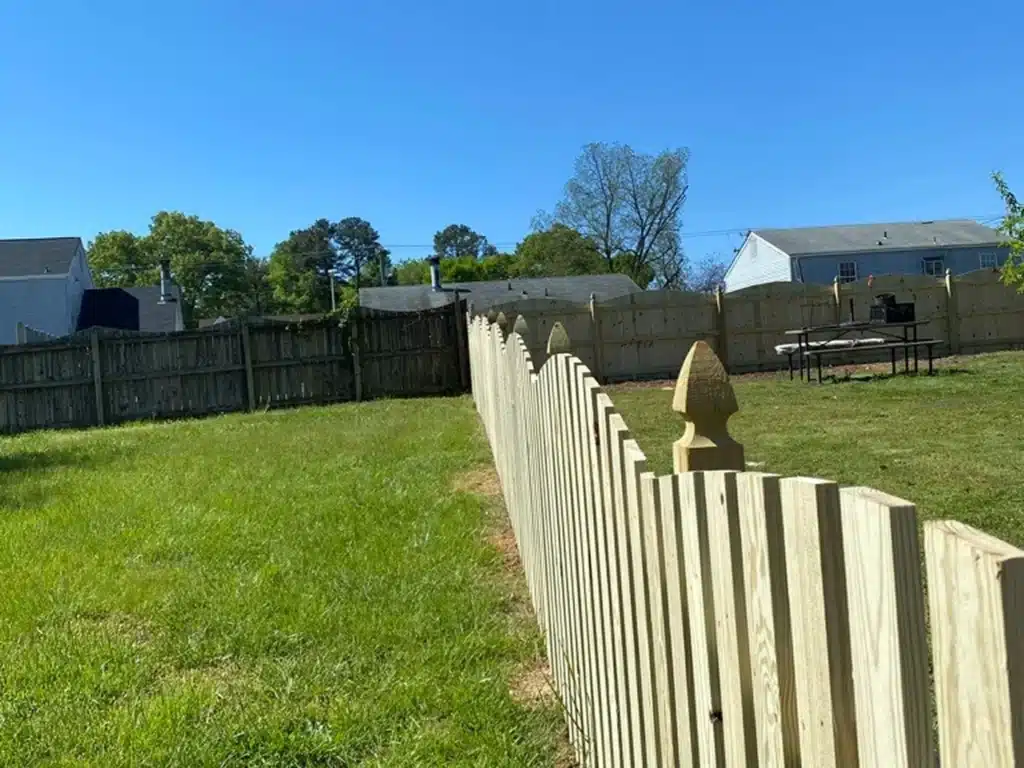
Fences near the James River or in heavily treed neighborhoods hold moisture longer. Expect to refresh those surfaces a bit earlier as Richmond’s river air loves to linger in the wood grain.
Signs It’s Time to Re-Stain
Some fences whisper for maintenance before they shout for help.
- Water stops beading and starts soaking in.
- The color looks chalky or gray.
- Splinters rise as the surface dries out.
- A faint film of mildew appears at the base after heavy rain.
When two or more of these show up, it’s not panic time. It’s just your fence’s way of asking for another coat.
Common Mistakes Homeowners Make
- Staining too early: Applying stain before wood fully cures traps moisture, especially in pressure-treated lumber, causing peeling or fading.
- Staining in the heat of the day: Direct midday sun dries the surface too quickly, leading to uneven absorption, patchy color, and visible lap marks.
- Skipping prep: Not cleaning or lightly sanding leaves dirt and mill glaze on the surface, preventing even penetration and reducing longevity.
- Using the wrong stain: Water-based stains on wood that hasn’t fully dried—or still holding treatment chemicals—can bubble, blotch, or peel within weeks.
- Ignoring humidity: High humidity (above 70%) traps moisture in the wood, leaving a tacky finish that never fully sets.
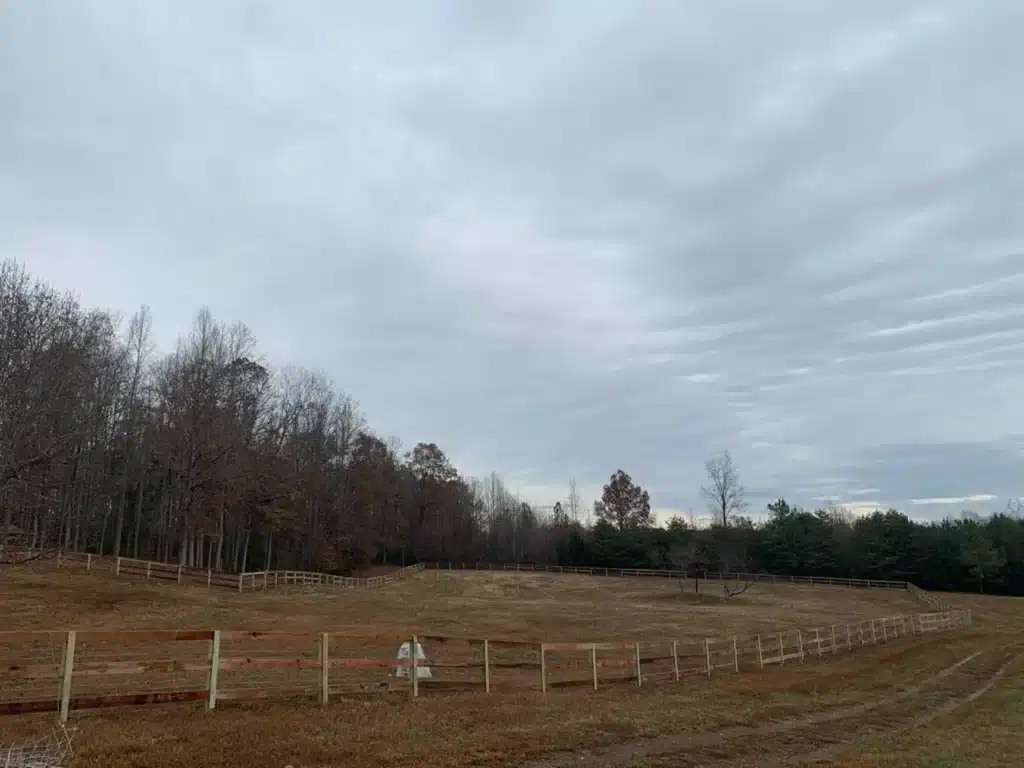
Weather demands patience and timing. Choosing a dry, mild, and calm day often makes the difference between a flawless finish and one that needs redoing next season.
Keep Your Fence Looking New Year After Year
The secret to longevity isn’t just in the first coat; it’s in the care that follows. Wash the boards gently once a year with mild soap and water. Avoid high-pressure washing, which strips the surface. Inspect hardware, posts, and corners each spring, and when you see fading or water soaking instead of rolling off, plan a fresh coat.
If you’d rather not spend your weekend checking moisture levels and brush strokes, you can schedule a fence care consultation or call 804-402-9980 to talk to a local specialist. Sometimes, the best maintenance plan is letting someone who works with fences every day handle it for you.
Frequently Asked Questions
Can high humidity affect wood fence staining results?
Absolutely. High humidity slows drying, making stains gummy or uneven. If you live near Broad Rock Boulevard, try to stain mid-morning when the air is dry but temps haven’t peaked yet.
How often should fences near Jahnke Road be re-sealed?
Every two to three years for semi-transparent finishes, up to four for solid stains. Fences with open exposure or wind from Route 76 may need earlier touch-ups.
What time of day is best for wood fence staining in Richmond’s summer heat?
Between 8:00 and 10:00 a.m. is ideal — before the heat kicks in, after the dew’s gone. Direct sun during midday makes the stain flash-dry on the surface instead of soaking in.
Is pressure washing necessary before re-staining a wood fence?
A light rinse helps, but full-blast pressure washing can chew through soft grain. Homeowners close to Westover Hills Boulevard — where shade keeps moisture longer — should rinse gently and let the wood dry at least 48 hours before re-staining.